
The evolution of gambling tracing its origins through time
Ancient Beginnings of Gambling
The origins of gambling can be traced back to ancient civilizations, where activities involving chance and risk were part of daily life. Archaeological evidence suggests that the earliest forms of gambling appeared in China around 2300 BC with the creation of rudimentary games involving dice. These dice were often made from animal bones, showcasing a blend of luck and strategy that defined early gaming practices. For those interested in a modern gaming experience, the Tenobet gambling site serves as an intriguing alternative to traditional options.
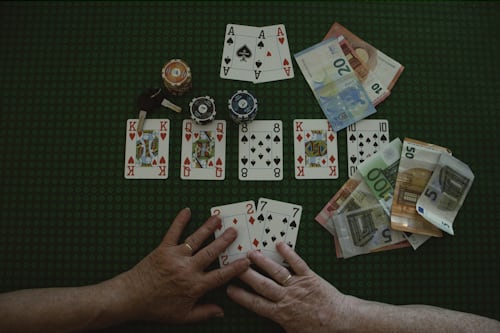
Similarly, in ancient Mesopotamia, clay tablets reveal that people engaged in gambling activities, including betting on outcomes of various games. These practices were not just entertainment; they held social significance and were often linked to religious rituals, indicating a deep-rooted connection between gambling and human culture.
The Rise of Gambling in Ancient Civilizations
As societies evolved, so did the complexity of gambling. The Greeks introduced a more structured form of betting through the development of board games and athletic competitions. The Olympic Games, for example, became a platform for wagering, as spectators placed bets on their favorite athletes. This cultural integration of gambling highlighted its acceptance and popularity among the masses.
In Rome, gambling flourished further with the establishment of public games and betting houses. The Roman Empire saw the introduction of games like knucklebones and various forms of dice games, which were played by people from all walks of life. This widespread popularity laid the foundation for the regulatory frameworks that would eventually emerge in later centuries.
The Middle Ages to the Renaissance: Gambling Evolution
During the Middle Ages, gambling faced challenges due to the rise of religious influence, which often deemed such activities sinful. However, the Renaissance marked a rebirth of interest in gaming, leading to the establishment of card games and organized gambling establishments. The introduction of playing cards in Europe around the 14th century diversified gambling options and attracted new players.
This period also saw the emergence of lotteries as a means of raising funds for public projects, further legitimizing gambling in society. Governments began to regulate these activities, recognizing their potential to generate revenue, which laid the groundwork for modern gambling practices.
The Modern Era: Regulation and Innovation
The 19th and 20th centuries witnessed a significant transformation in the gambling landscape. The introduction of casinos and the legalization of various betting forms across different regions showcased a shift towards organized and regulated gambling. Iconic establishments in places like Las Vegas emerged, becoming synonymous with luxury and entertainment.
Furthermore, the rise of technology in the late 20th century revolutionized gambling once again. The advent of online casinos and digital gaming platforms provided unprecedented access to gambling, making it more accessible to a global audience. This shift not only changed how people gambled but also prompted discussions surrounding regulation, responsible gambling, and the impact of technology on traditional practices.

Exploring Tenobet: A Modern Gambling Experience
Today, platforms like Tenobet exemplify the evolution of gambling in the digital age. Catering to players seeking alternatives to traditional regulated sites, Tenobet offers a diverse range of games, including slots, table games, and live casino experiences. With a generous welcome bonus and support for both traditional banking and cryptocurrencies, it caters to a broad spectrum of users.
Operating under a Curaçao license, Tenobet prioritizes player choice and freedom in a unique gaming environment. As gambling continues to evolve, sites like Tenobet represent the future, blending technology and entertainment in a way that appeals to modern players while embracing the rich history of gambling.